
You might have heard that tuberculosis is a serious infectious disease, but you may not know there are two very different ways it can affect your body. One form sits quietly inside you without making you sick, while the other makes you feel terrible and spreads to others. Understanding the difference between latent TB infection (LTBI) and active TB disease
Tuberculosis (TB) is caused by bacteria called Mycobacterium tuberculosis. These bacteria primarily attack the lungs, though they can spread to other parts of the body like the kidneys, spine, or brain. The key thing to understand is that having the bacteria in your system doesn't automatically mean you have the disease that makes people cough up blood or lose weight rapidly. It means you have an infection, which could be either latent or active.
What Is Latent TB Infection?
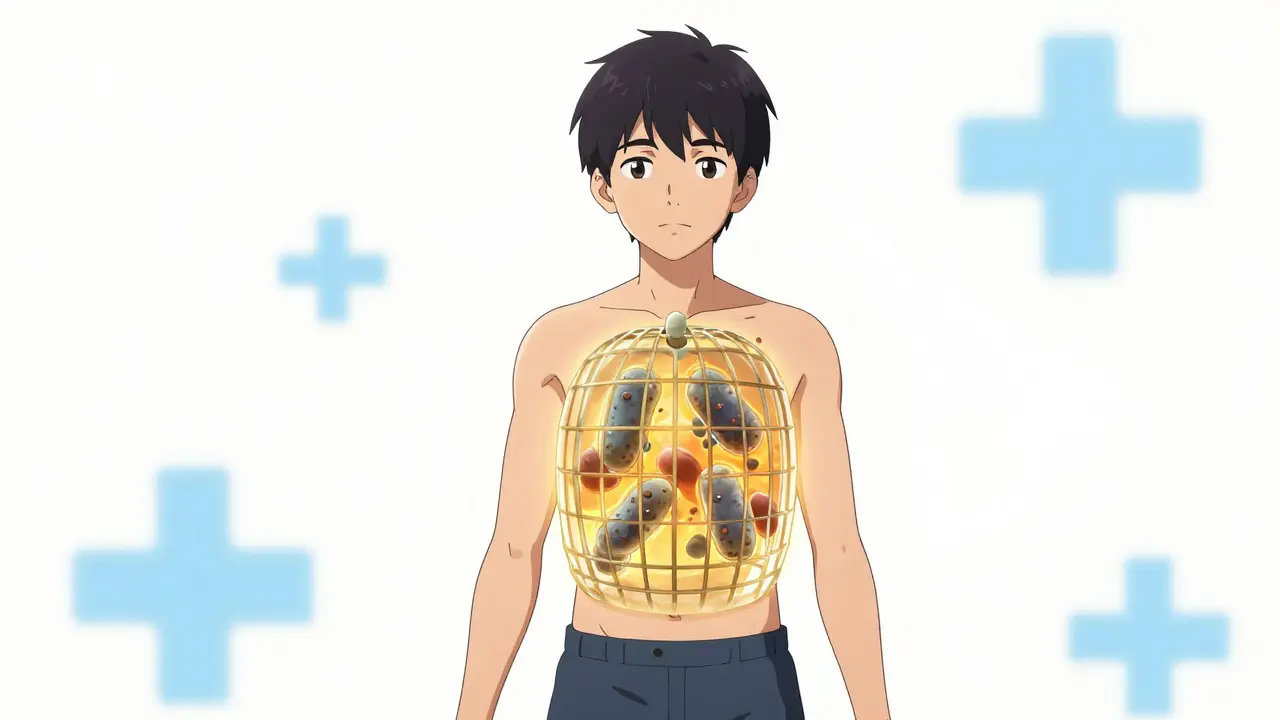
Imagine your immune system caught the TB bacteria and locked them away in a cage. That’s essentially what happens with latent TB infection. The bacteria are alive in your body, but they are inactive. They aren’t multiplying, and they aren’t causing any damage. Because of this, you don’t feel sick. You won’t have a fever, you won’t cough, and you certainly won’t feel tired. Most importantly, you cannot spread TB to anyone else when you have only the latent form.
So how do you know if you have it? You usually find out through testing. A tuberculin skin test (often called the TST or Mantoux test) or a blood test known as an interferon-gamma release assay (IGRA) will show positive results if your immune system has reacted to the TB bacteria. If these tests are positive, but your chest X-ray is normal and you have no symptoms, doctors diagnose you with latent TB.
The scary part about latent TB is that it can wake up. About 5% to 10% of people with latent TB will develop active disease within the first two years after being infected. For the rest of their lives, about 10% of those with latent TB might develop active disease later on. This risk jumps significantly if your immune system weakens due to conditions like HIV, diabetes, or certain medications.
Signs of Active TB Disease
When the bacteria break out of their "cage" and start multiplying, you have active TB disease. This is when you get sick. Your body tries to fight back, but the bacteria cause tissue damage, leading to symptoms that usually start slowly and get worse over weeks.
If you have pulmonary TB (which affects the lungs), you might experience:
- A cough that lasts three weeks or longer
- Chest pain or pain when breathing or coughing
- Coughing up blood or sputum
- Unexplained weight loss
- Night sweats so severe you need to change clothes
- Fever and chills
- Extreme fatigue
Unlike latent TB, active TB is contagious. When you cough, sneeze, talk, or sing, you release tiny droplets containing the bacteria into the air. People nearby can breathe these in and become infected. This is why early diagnosis and treatment are critical-not just for you, but for public safety.

How Doctors Diagnose TB
Distinguishing between latent and active TB requires more than just one test. For latent TB, doctors look for a positive immunologic test (TST or IGRA) combined with a normal chest X-ray and no symptoms. It’s a process of elimination: if you don’t have active disease signs, but your immune system says “I’ve seen TB before,” it’s likely latent.
Diagnosing active TB is more direct. Doctors will ask about your symptoms and take a detailed history. Then comes the physical exam and imaging. A chest X-ray often shows abnormalities like spots or cavities in the lungs if active TB is present. But the definitive proof comes from lab tests. You’ll provide sputum samples (phlegm from deep in your lungs). Labs use nucleic acid amplification testing (NAAT) for rapid detection, followed by culture to grow the bacteria. This confirms the diagnosis and helps determine which drugs will work best.
Treatment Options for Latent TB
You might wonder, “If I’m not sick, why treat it?” Treating latent TB prevents it from turning into active disease. It also stops future transmission chains. The goal is to kill the dormant bacteria before they can reactivate.
There are several effective regimens for latent TB:
- Isoniazid for 9 months: This is a traditional option taken daily. It’s effective but requires long-term commitment.
- Rifampin for 4 months: Taken daily, this shorter course can be easier for some patients.
- Isoniazid and Rifapentine for 3 months: Taken once weekly under supervision, this regimen improves completion rates because it’s shorter and monitored.
Your doctor will choose based on your health history, potential side effects, and likelihood of adherence. Liver function tests are often done before starting, as some TB drugs can stress the liver.

Treating Active TB Disease
Active TB requires aggressive, multi-drug therapy. Using just one antibiotic isn’t enough-the bacteria are too resilient and can quickly develop resistance. Standard treatment involves a combination of four powerful antibiotics:
- Isoniazid
- Rifampin
- Pyrazinamide
- Ethambutol
This initial phase lasts two months. During this time, the bacterial load drops dramatically, and you typically stop being contagious. Afterward, you enter a continuation phase lasting four to seven months, usually involving just isoniazid and rifampin. Total treatment time is at least six months.
To ensure success, many programs use directly observed therapy (DOT). A healthcare worker watches you take each dose. This isn’t about distrust-it’s about preventing missed doses that lead to drug-resistant TB strains, which are much harder and more expensive to treat.
Why Treatment Adherence Matters
Stopping treatment early is dangerous. Even if you feel better after a few weeks, bacteria may still be hiding in your body. If they survive, they can mutate and resist the drugs you were taking. Multidrug-resistant TB (MDR-TB) requires second-line drugs that are less effective, more toxic, and require longer treatment-sometimes up to two years.
Adherence challenges are real. Side effects like nausea, orange-colored urine (from rifampin), or vision changes (from ethambutol) can scare patients. But your care team can help manage these. Never stop medication without talking to your doctor.
Can latent TB turn into active TB?
Yes. About 5-10% of people with latent TB develop active disease within two years of infection. Another 10% may develop it later in life, especially if their immune system weakens due to HIV, diabetes, aging, or certain medications.
Is latent TB contagious?
No. People with latent TB infection cannot spread the disease to others. Only those with active TB disease are contagious, primarily through airborne droplets when coughing or speaking.
How long does TB treatment last?
Latent TB treatment ranges from 3 to 9 months depending on the regimen. Active TB disease requires at least 6 months of multi-drug therapy, often longer for complex cases or drug-resistant strains.
What are common side effects of TB drugs?
Side effects vary by drug. Isoniazid may cause nerve tingling; rifampin turns bodily fluids orange; pyrazinamide can raise uric acid levels; ethambutol may affect color vision. Regular monitoring helps manage these issues.
Who is at higher risk for developing active TB?
High-risk groups include people with HIV, recent contacts of active TB patients, immigrants from high-TB countries, residents of shelters or correctional facilities, and those with chronic diseases like diabetes or kidney failure.