
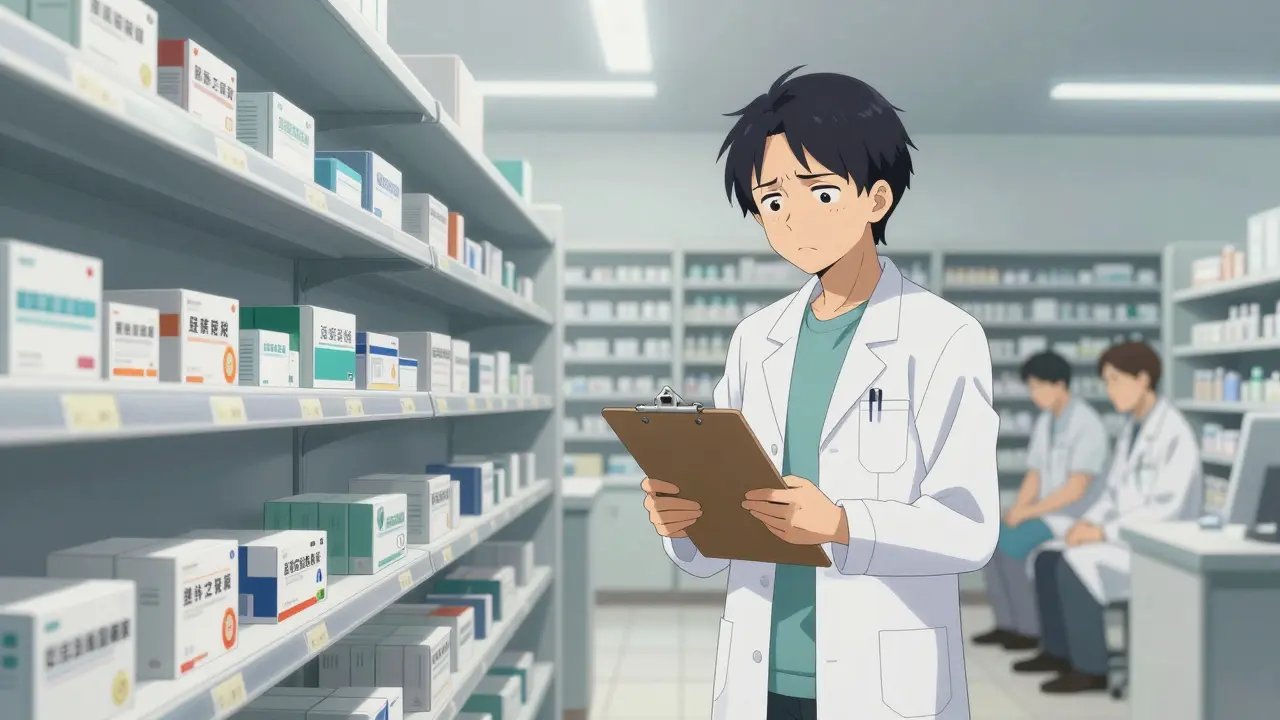
Imagine walking into a hospital pharmacy, ready to treat a patient with pneumonia or manage their chemotherapy, only to find the shelves empty. This isn't a scene from a dystopian novel; it is the daily reality for many healthcare providers across the United States and beyond. As of mid-2026, the crisis surrounding generic drug shortages is not just a temporary glitch-it is a systemic failure that threatens patient safety and operational stability.
The numbers tell a stark story. In April 2025 alone, the American Society of Health-System Pharmacists (ASHP) documented 270 active drug shortages. By early 2024, we saw an all-time high of 323 shortages in a single quarter. These aren't obscure medications used by a handful of specialists. We are talking about essential generics-antibiotics, IV fluids, and life-saving cancer treatments-that account for roughly 90% of all prescriptions filled. When these supplies break down, the entire healthcare system feels the shockwave.
Why Generic Drugs Are More Vulnerable Than Brand Names
To understand why this crisis persists, we have to look at the economics behind the pills. Brand-name drugs operate with robust profit margins that allow manufacturers to build diversified global networks, maintain large inventory buffers, and absorb sudden cost spikes. Generic drugs, however, live on razor-thin margins. While they represent the vast majority of prescriptions, they make up only about 13.1% of total drug spending.
This economic pressure creates a fragile ecosystem. Manufacturers compete fiercely on price, often leaving little room for error or investment in quality control. When a production line encounters a minor issue, the financial incentive to fix it quickly is low compared to the cost of doing so. Dr. Malta of the United States Pharmacopeia (USP) noted a clear correlation: the lower the price of a generic drug, particularly older products, the higher the risk of shortage. The profit margin simply doesn't justify staying in the market if manufacturing becomes slightly more difficult or expensive.
| Feature | Brand-Name Drugs | Generic Drugs |
|---|---|---|
| Profit Margins | High (allows for buffer stock) | Low (minimal buffer stock) |
| Manufacturing Sources | Diversified globally | Concentrated (China, India) |
| Number of Manufacturers | Multiple competitors per drug | Often 1-3 manufacturers (monopoly/oligopoly) |
| Response to Disruption | Flexible capacity switching | Slow response due to capital constraints |
The Geographic Concentration Trap
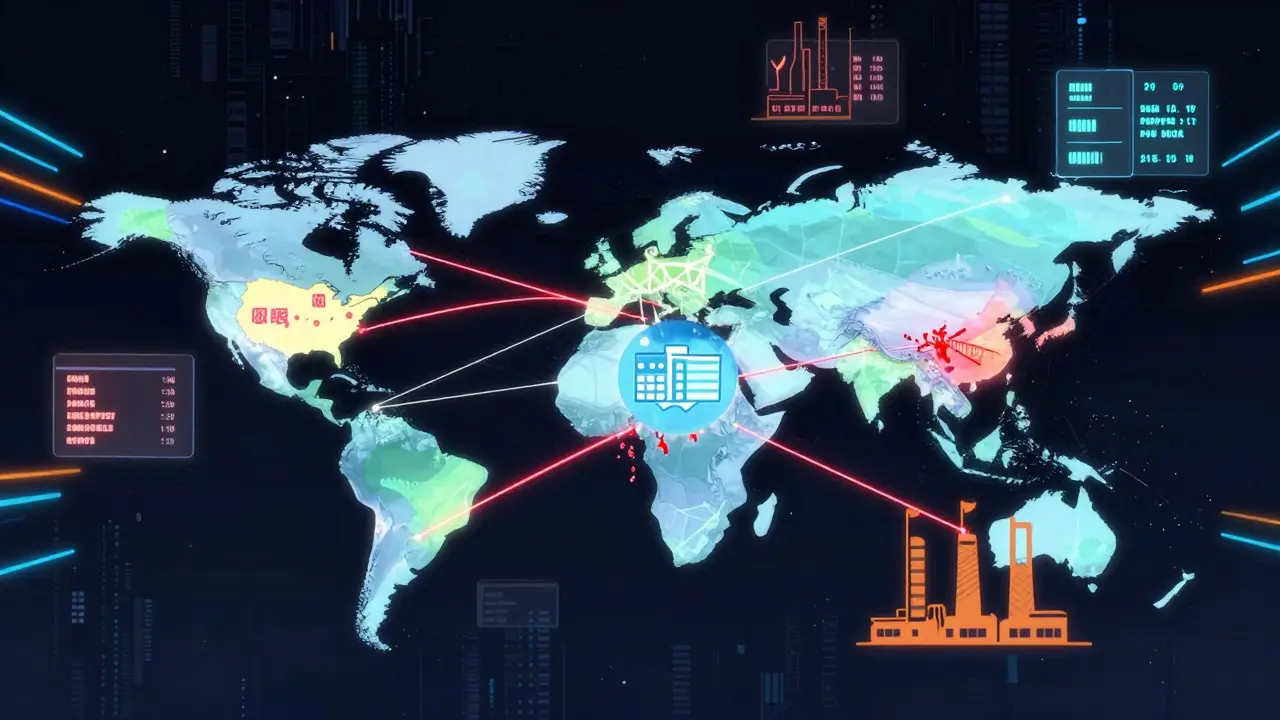
If economics explain *why* companies cut corners, geography explains *where* the breaks happen. The modern pharmaceutical supply chain is heavily dependent on offshoring. Less than 30% of the Active Pharmaceutical Ingredients (APIs)-the actual medicinal components of drugs-used in U.S. medicines are produced domestically.
We see a dangerous concentration of power in specific regions. Chinese manufacturers supply approximately 40% of global API production capacity. India dominates the finished dosage form manufacturing for many generics due to significantly lower labor and operational costs. This geographic clustering creates single points of failure. A natural disaster, a political conflict, or a regulatory shutdown in one country can halt production worldwide.
For example, in 2023, a tornado damaged a Pfizer plant, halting production of 15 different medications. More recently, FDA quality issues shut down cisplatin production in India, leading to a nationwide shortage of this critical chemotherapy drug. These events highlight that even major players are vulnerable when their supply chains lack redundancy. The House Health Subcommittee confirmed that this fragility existed long before the COVID-19 pandemic, rooted in decades of prioritizing cost over resilience.
Sterile Injectables: The Highest Risk Category
Not all drugs are equally at risk. If you had to bet on which type of medication would disappear first during a supply crunch, the answer is sterile injectables. These include IV fluids, antibiotics administered via drip, and chemotherapy agents. They consistently top the shortage lists published by the USP.
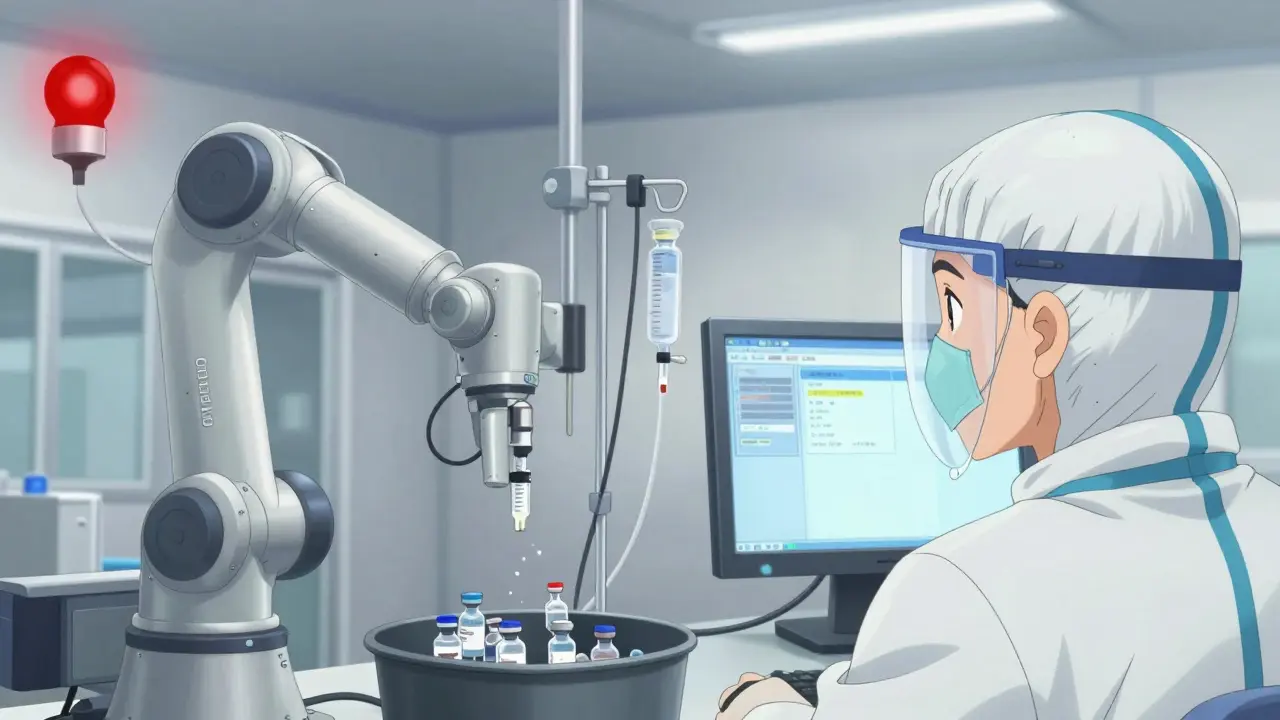
Why? Because making them is hard. Sterile injectables require aseptic manufacturing processes that demand specialized equipment, pristine environmental controls, and highly trained personnel. The margin for error is zero. Any contamination means destroying the entire batch. Combined with the fact that these drugs are often priced under $5 per unit, the business case for maintaining multiple production lines is weak. Most hospitals rely on just one or two suppliers for these critical items. When one supplier fails, there is no backup.
The Human Cost: What Happens in Hospitals?
Behind every statistic is a clinician trying to do their job and a patient waiting for care. The impact of these distribution risks is immediate and stressful. Pharmacists report spending 20-30% of their workweek just managing shortages. They scramble to source alternatives, compound medications manually, or implement rationing strategies.
Clinicians face impossible choices. Do they delay a surgery because the necessary antibiotic isn't available? Do they substitute a cheaper generic with a more expensive brand-name drug, driving up healthcare costs? Or do they use an alternative treatment that might be less effective or have worse side effects? Dr. Eberle, a prominent voice in pharmacy leadership, described inpatient drug shortages as one of his biggest professional hurdles. He noted that these shortages disproportionately impact internal medicine and subspecialty care, forcing doctors to compromise on the standard of care.
Patient outcomes suffer directly. We have seen documented cases of delayed cancer treatments, rationed antibiotics for severe infections, and canceled surgeries. For a patient undergoing chemotherapy, a delay of even a few weeks can alter the trajectory of their disease. The stress on patients and families is immense, knowing that access to basic, life-sustaining medication is uncertain.
Regulatory Gaps and Oversight Challenges
You might ask, "Where is the oversight?" The Food and Drug Administration (FDA) is tasked with ensuring drug safety and availability, but it faces significant structural challenges. Historically, the FDA has struggled with inspecting foreign manufacturing facilities. There is a documented gap in Drug Master File (DMF) submissions from Chinese manufacturers, partly due to hesitance from U.S. companies to source from regions with a history of unreliable practices, and partly due to inspection backlogs.
Recent analyses from HK Law in June 2025 highlighted a troubling trend: while enforcement against foreign facilities is tightening, domestic inspection capacity is shrinking due to reductions in force (RIFs) within the Department of Health and Human Services (HHS). This creates a regulatory vacuum. Without consistent, rigorous oversight, quality issues go undetected until a batch fails, triggering a recall and a subsequent shortage. The system is reactive rather than proactive, addressing problems after they disrupt patient care rather than preventing them.
Proposed Solutions and Future Outlook
Fixing this broken system requires more than just band-aids. Policymakers, manufacturers, and healthcare providers are exploring several pathways, though none are simple.
- Onshoring Manufacturing: Bringing production back to the U.S. sounds ideal, but experts warn it is not feasible in the near term. Rebuilding domestic capacity would take 5-7 years and require $20-30 billion in investment. Furthermore, without changes to pricing models, U.S.-made generics would still struggle to compete on cost.
- Strategic National Stockpile Expansion: Some propose treating critical generic drugs like emergency supplies. Legislation such as S.2062 suggests mandatory six-month reserves for critical generics. However, storing sterile injectables requires specialized cold-chain logistics, making this logistically complex and expensive.
- Public-Private Partnerships: Initiatives to facilitate production of high-risk generics through government-industry collaboration aim to de-risk the market for manufacturers. This could involve guaranteed contracts or subsidies for producing low-margin, high-volume drugs.
- Transparency Measures: Requiring transparent labeling for APIs sourced overseas would help hospitals identify potential geopolitical risks. Knowing exactly where your ingredients come from allows for better contingency planning.
Tariffs have been proposed as a tool to protect domestic industry, but analysts warn that imposing tariffs ranging from 50% to 200% could backfire. It might disrupt existing supply chains further, leading to higher costs and increased shortages, especially for essential generics like heparin and epinephrine. The goal must be resilience, not just protectionism.
What Healthcare Providers Can Do Now
While systemic change takes time, hospitals and pharmacies can take immediate steps to mitigate risk:
- Diversify Suppliers: Where possible, qualify multiple vendors for critical drugs. Avoid relying on a single source for sterile injectables.
- Enhance Inventory Monitoring: Use real-time data to track national shortage trends. Tools provided by ASHP and USP can help predict disruptions before they hit your doors.
- Develop Formulary Flexibility: Create protocols for therapeutic substitutions in advance. Train staff on alternative dosing regimens so they can pivot quickly when a primary drug is unavailable.
- Advocate for Policy Change: Join professional organizations like the American Hospital Association to push for legislation that supports sustainable generic markets and strengthens regulatory oversight.
The outlook for 2026 remains uncertain. Meaningful improvement will require coordinated action across all stakeholders. Until then, the distribution risks for generic drugs will continue to pose a significant threat to patient safety and healthcare delivery.
Why are generic drugs more likely to face shortages than brand-name drugs?
Generic drugs operate on much thinner profit margins compared to brand-name medications. This economic pressure discourages manufacturers from investing in redundant supply chains, large inventory buffers, or extensive quality control measures. Additionally, the market for many generics is consolidated among just one or three manufacturers, creating single points of failure. Brand-name drugs typically have higher margins that allow for diversified, resilient global networks.
Which types of generic drugs are most at risk for shortages?
Sterile injectables, including IV fluids, antibiotics, and chemotherapy medications, are the most commonly affected dosage forms. These drugs require complex, specialized manufacturing processes (aseptic processing) that are costly and prone to disruption. Older generic products with very low prices (often under $5 per unit) also face higher shortage risks due to minimal profitability.
How does geographic concentration affect the drug supply chain?
A significant portion of Active Pharmaceutical Ingredients (APIs) comes from China (approx. 40% of global capacity), and much of the finished manufacturing occurs in India. This concentration means that local events-such as natural disasters, political instability, or regulatory inspections-in these countries can cause global shortages. Less than 30% of APIs used in U.S. drugs are produced domestically, leaving the supply chain vulnerable to international disruptions.
What are the practical impacts of drug shortages on hospitals?
Shortages force clinicians to make difficult decisions, such as delaying surgeries, substituting medications with potentially less effective alternatives, or rationing drugs. Pharmacists spend up to 30% of their workweek managing shortages by sourcing alternatives or compounding medications. This leads to increased operational costs, workflow disruptions, and compromised patient care standards.
Is onshoring pharmaceutical manufacturing a viable solution?
While desirable for security, full onshoring is not feasible in the near term. Experts estimate it would take 5-7 years and $20-30 billion in investment to rebuild domestic capacity. Moreover, without changes to pricing structures, U.S.-manufactured generics may still struggle to compete economically. Current solutions focus more on diversifying sources, expanding strategic stockpiles, and improving regulatory transparency.