
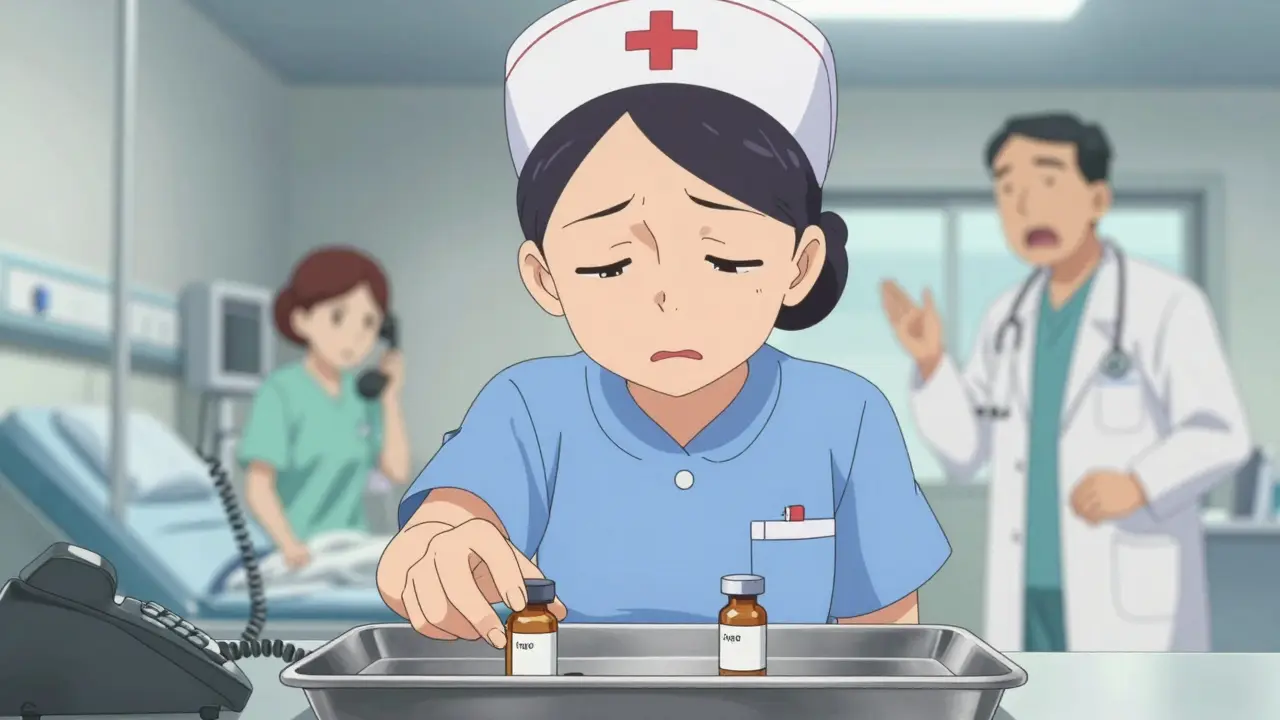
Look-Alike, Sound-Alike (LASA) medications is a category of medicines that are easily confused because their names look similar when written (orthographic) or sound similar when spoken (phonetic), or because their packaging and physical appearance are nearly indistinguishable. According to the World Health Organization, these similarities are a primary driver of medication errors globally. It is not just about the names, though. A 2022 study in Pharmacy Practice found that while name confusion causes about 64% of LASA errors, packaging confusion accounts for nearly 25%, and the physical appearance of the pills themselves contributes to another 10%. This means a pharmacist might pick the wrong box because the colors are identical, or a nurse might administer the wrong pill because two different medications both happen to be small, round, and white.
Why These Errors Happen
LASA errors aren't usually the result of a single person being "careless." Instead, they are the result of human factors colliding with poor design. Phonetic similarity happens during verbal orders-think of how similar "hydromorphone" and "hydrocodone" sound when spoken quickly over a noisy phone line. Orthographic similarity occurs when we skim a list and see "daunorubicin" and "doxorubicin" and assume we've seen the one we need.Beyond the names, the physical environment plays a huge role. When healthcare workers are under extreme pressure, they rely on "recognition-primed decision making." If a medication is always stored in a specific blue box, the brain stops reading the label and starts recognizing the blue box. If the pharmacy switches brands and a different drug now comes in a similar blue box, the risk of error skyrockets. This is especially dangerous with High-Alert Medications, which include drugs that bear a heightened risk of causing significant patient harm when used in error, such as insulin, anticoagulants, and opioids.
The Most Dangerous Confusions
Not all LASA errors are created equal. Mixing up two different brands of a mild vitamin is a problem, but mixing up chemotherapy agents can be catastrophic. The Institute for Safe Medication Practices (ISMP) highlights pairs like doxorubicin and daunorubicin as critical risks because the wrong dose or drug in oncology can lead to permanent organ damage or death.Common culprits often include medications within the same class or even different strengths of the same drug. For example, simvastatin 10 mg and simvastatin 20 mg are frequently confused, proving that even a minor difference in dosage can trigger a mistake. The danger is amplified when the route of administration is high-risk, such as intrathecal injections, where a single wrong drug can cause immediate neurological failure.
| Confusion Type | Mechanism | Real-World Example |
|---|---|---|
| Phonetic (Sound) | Auditory similarity during verbal orders | Hydromorphone vs. Hydrocodone |
| Orthographic (Look) | Visual similarity in written text | Doxorubicin vs. Daunorubicin |
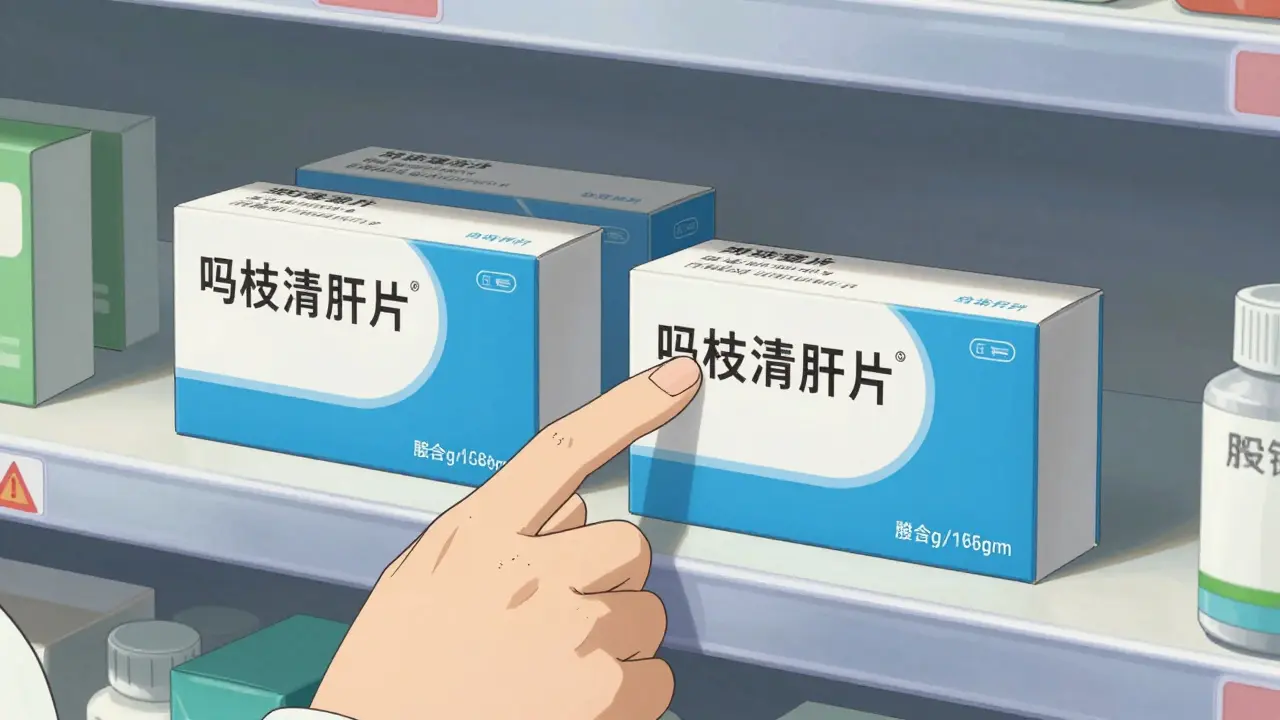
| Packaging | Similar colors, shapes, or branding | Different brands of Insulin vials |
| Physical Appearance | Identical pill size, color, or shape | Generic white round tablets |
Strategies to Stop the Mistake
Since we can't simply "tell people to be more careful," healthcare systems use engineered safeguards. One of the most visible is Tall Man Lettering, which is a technique that uses uppercase letters to highlight the differences between look-alike drug names. For instance, instead of writing hydromorphone and hydrocodone, they are written as HYDROmorphone and hYDROcodone. While some critics argue this has a "placebo effect," it remains a standard tool used by the FDA for over 200 medication pairs.However, the most effective approach is a systems-based one. The Joint Commission recommends that hospitals create their own personalized LASA lists based on the specific medications they actually stock, rather than using a generic national list. This ensures that staff are alerted to the specific dangers present in their own pharmacy.
Other high-impact interventions include:
- Clinical Decision Support (CDS): Software in electronic health records that pops up a warning when a high-risk LASA drug is selected.
- Physical Separation: Storing look-alike drugs in different bins or using brightly colored "warning" stickers on the shelves.
- Read-Back Protocols: Requiring the receiver of a verbal order to read the drug name and dose back to the prescriber to catch phonetic slips.
- Barcode Scanning: Using BCMA (Barcode Medication Administration) to ensure the scanned drug matches the electronic order before it reaches the patient.

The Future of Medication Safety
We are moving toward a world where the drug name itself is designed for safety. The FDA has begun denying new drug applications if the proposed name is too similar to an existing one. In 2022 alone, 34 applications were rejected for this reason. There is also a push for "universal design principles," where packaging would be standardized globally to prevent the confusion that happens when a hospital switches suppliers.AI is also entering the fray. Research at Johns Hopkins is testing voice-recognition systems that can listen to a doctor's verbal order and instantly flag it if the name sounds too much like another dangerous drug. These tools act as a digital safety net, catching the errors that human ears might miss during a hectic 12-hour shift. While we may never completely eliminate human error, combining regulatory oversight with AI and human-centered design could potentially reduce these errors by 80% over the next decade.
What is the difference between a look-alike and a sound-alike medication?
A look-alike medication is one where the written name or the physical packaging resembles another drug. A sound-alike medication is one where the name is phonetically similar, making it easy to confuse during verbal communication or over the phone.
Does Tall Man lettering actually work?
Yes, but its effectiveness varies. It works by breaking the "pattern recognition" of the brain, forcing the reader to notice the specific differences in the drug names. While some studies suggest it is only marginally effective, it remains a critical layer of defense when combined with other safety protocols.
Who is most at risk for LASA errors?
Patients receiving high-alert medications-such as chemotherapy, insulin, or anticoagulants-are at the highest risk because a mistake with these drugs can be fatal. Additionally, errors are more common in high-stress environments like ICUs or during shift handoffs.
How can hospitals reduce the risk of dispensing errors?
Hospitals can reduce risks by implementing personalized LASA lists, utilizing barcode scanning (BCMA), adopting Tall Man lettering, and ensuring that look-alike medications are not stored next to each other on pharmacy shelves.
Are there any regulatory bodies that prevent LASA names from entering the market?
Yes, the FDA (U.S. Food and Drug Administration) reviews proposed drug names and can deny applications if a name is deemed too similar to an existing medication, thereby preventing the problem at the source.