
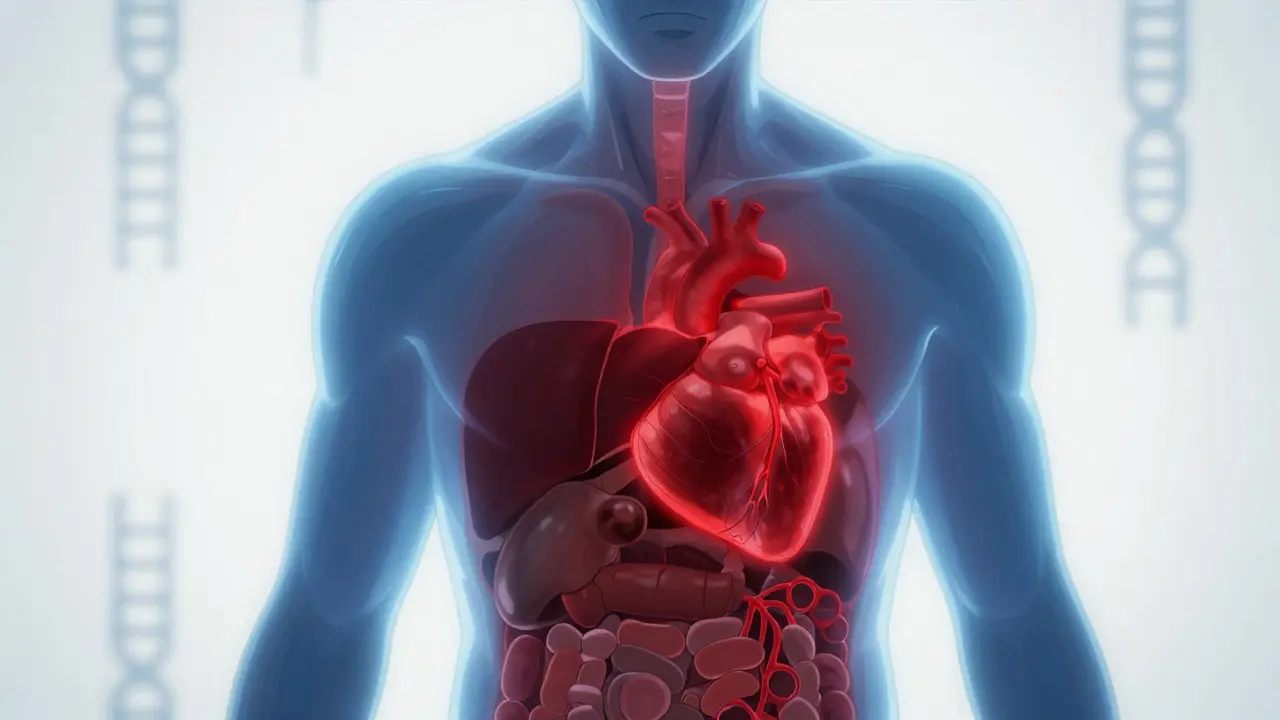
Imagine your body is a sponge. Normally, it soaks up just enough water to stay healthy. But with hemochromatosis, a genetic condition causing excessive iron absorption leading to organ damage, that sponge keeps soaking up water until it’s heavy, soggy, and starts to rot from the inside out. Only instead of water, it’s iron. And instead of a rotting sponge, we’re talking about your liver, heart, and pancreas.
This isn’t a rare curiosity. It’s one of the most common genetic disorders in people of Northern European descent. Yet, for many, the diagnosis comes years after symptoms start, often mislabeled as stress, aging, or depression. The good news? If caught early, the treatment is straightforward, inexpensive, and highly effective. The bad news? Ignoring it can lead to irreversible organ failure.
What Is Hemochromatosis and Why Does Iron Build Up?
To understand hemochromatosis, you first need to understand how your body handles iron. Most people think of iron as something you get from spinach or supplements. Your body needs it to make blood, but it has no natural way to get rid of excess iron. You lose tiny amounts through sweat, skin shedding, and menstruation (in women). That’s usually enough to keep levels balanced.
In hemochromatosis, this balance breaks. The problem lies in a hormone called hepcidin, a liver-produced hormone that regulates iron absorption in the gut. Hepcidin acts like a gatekeeper. When your iron stores are full, hepcidin tells your intestines to stop absorbing more. In people with hemochromatosis, hepcidin production is low or ineffective. The gate stays open. Your intestines absorb too much iron from food, and that iron circulates in your blood, eventually depositing into your organs.
This process is driven by genetics. Specifically, mutations in the HFE gene, the primary gene associated with hereditary hemochromatosis. The most common mutation is C282Y. If you inherit two copies of this mutation (one from each parent), you have a high risk of developing clinical hemochromatosis. About 1 in 200 Caucasians carries these genes, making it surprisingly prevalent. However, having the genes doesn’t guarantee you’ll get sick; lifestyle factors and other genes play a role in whether the iron overload actually causes symptoms.
Early Signs vs. Late-Stage Symptoms
The tricky part about hemochromatosis is that it sneaks up on you. Iron accumulates slowly-about 0.5 to 1 gram per year. It can take decades for enough iron to build up to cause noticeable problems. This is why men often show symptoms between ages 30 and 50, while women may not show them until after menopause, when they stop losing iron through menstruation.
Early symptoms are vague and easy to dismiss:
- Profound fatigue: Not just "tired," but a deep exhaustion that sleep doesn’t fix. This is reported by nearly three-quarters of patients.
- Joint pain: Especially in the knuckles (metacarpophalangeal joints) and knees. Many people assume this is arthritis.
- Loss of libido: Iron deposits in the pituitary gland or testes can lower sex drive and cause erectile dysfunction.
If left untreated, the disease progresses to more severe signs:
- Skin discoloration: A bronze or slate-gray tint to the skin due to iron and melanin deposits.
- Diabetes: Iron damages the beta cells in the pancreas, leading to "bronze diabetes."
- Liver issues: Enlarged liver, abdominal pain, and eventually cirrhosis (scarring).
- Heart problems: Arrhythmias or heart failure due to iron buildup in the heart muscle.
The key takeaway? Fatigue and joint pain in middle-aged adults, especially those with a family history of liver disease or diabetes, should raise a red flag for iron overload.
How Doctors Diagnose Iron Overload
You don’t need a liver biopsy to suspect hemochromatosis anymore. Modern diagnosis relies on simple blood tests and genetic screening. Here is the standard diagnostic pathway:
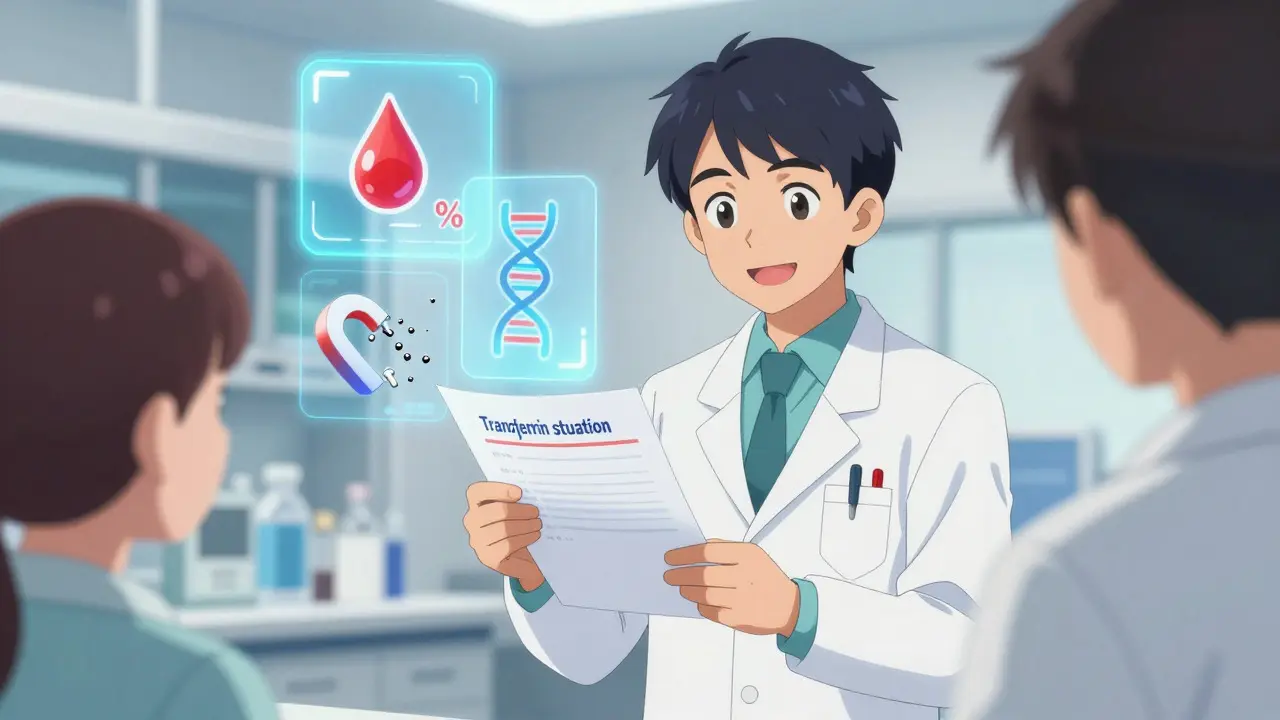
- Transferrin Saturation Test: This measures how much of your iron-carrying protein (transferrin) is filled with iron. A level above 45% is a strong early indicator of hemochromatosis. This test is cheap and widely available.
- Serum Ferritin Test: This measures your total stored iron. For men, a level above 300 ng/mL is concerning. For women, it’s above 200 ng/mL. Levels over 1,000 ng/mL indicate significant risk for liver damage.
- HFE Genetic Testing: If blood tests are abnormal, doctors check for the C282Y and H63D mutations. Finding two C282Y mutations confirms hereditary hemochromatosis in most cases.
- MRI Scans: For precise measurement of iron in the liver and heart, doctors use MRI with R2* technique. This non-invasive method has largely replaced risky liver biopsies.
It’s important to distinguish hereditary hemochromatosis from secondary iron overload. Secondary overload happens due to frequent blood transfusions (common in anemia patients) or chronic liver disease from alcohol. In secondary overload, transferrin saturation is often normal, whereas in hereditary hemochromatosis, it is elevated early on.
Phlebotomy: The Gold Standard Treatment
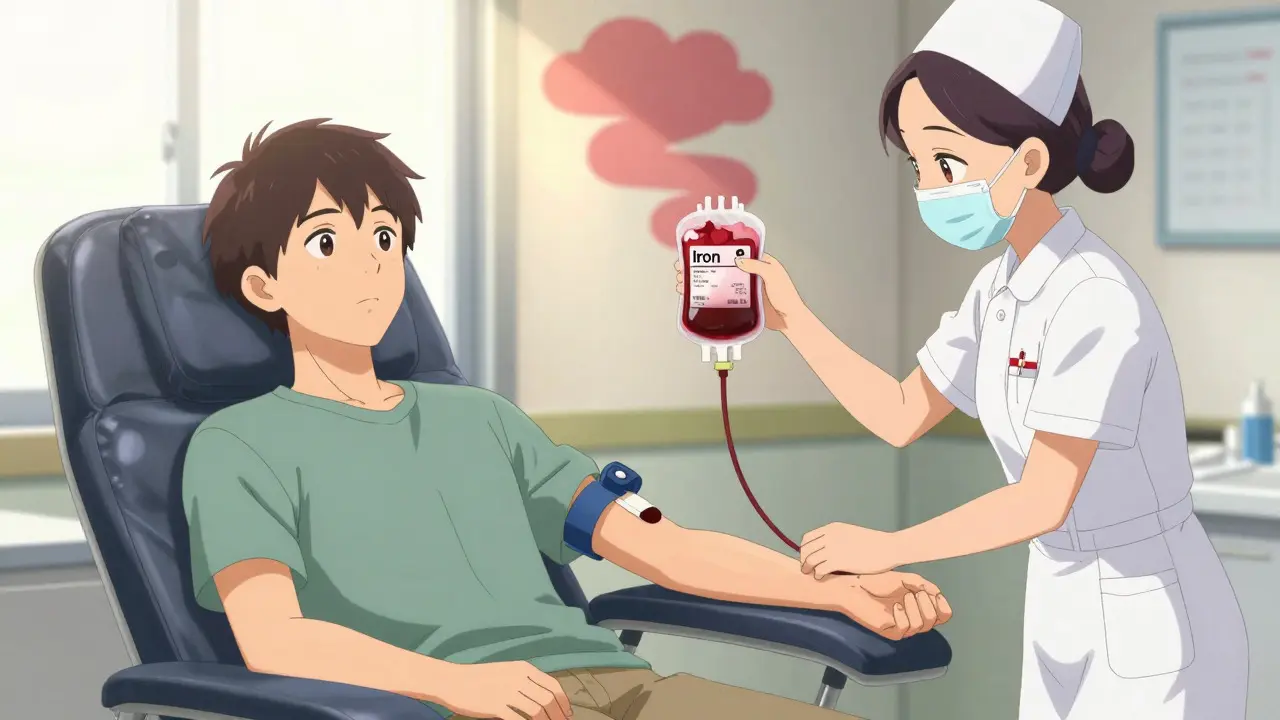
If you’ve been diagnosed, don’t panic. The treatment is essentially what blood donation centers do, but with a medical goal. It’s called therapeutic phlebotomy, the removal of blood to reduce iron levels in the body.
Your body contains about 4 to 5 grams of iron. A single unit of blood (about 450-500 mL) contains roughly 200-250 mg of iron. By removing blood, you force your body to use its stored iron to make new red blood cells, effectively draining the excess reserves.
Treatment happens in two phases:
1. Induction Phase (Depletion)
The goal here is to get your ferritin levels down to a safe range (50-100 ng/mL). Initially, you’ll donate blood weekly. For someone with severely high iron, this might mean 30 to 50 sessions over 12 to 18 months. It sounds intense, but most people tolerate it well. You might feel slightly tired after a session, but energy levels often improve as the iron burden decreases.
2. Maintenance Phase
Once your iron levels are normalized, you switch to maintenance. Since your body still absorbs too much iron, you need to remove small amounts regularly. Most patients require phlebotomy every 2 to 4 months for the rest of their lives. This prevents re-accumulation and protects your organs.
Why phlebotomy? Because it works. Studies show that starting treatment before ferritin exceeds 1,000 ng/mL can prevent 99% of cirrhosis and liver cancer complications. It’s also incredibly cheap compared to alternatives. Chelation therapy (drugs that bind iron) costs $25,000-$35,000 annually and has side effects. Phlebotomy costs almost nothing and is covered by insurance.
Living with Hemochromatosis: Diet and Lifestyle
While phlebotomy is the main treatment, diet plays a supportive role. You don’t need to eliminate all iron-rich foods, but you should be strategic.
- Avoid Vitamin C Supplements: Vitamin C increases iron absorption. Take it at least two hours apart from meals, or avoid high-dose supplements altogether.
- Limit Raw Shellfish: People with high iron loads are susceptible to a bacteria called Vibrio vulnificus, found in raw oysters, which can cause severe infections.
- Reduce Red Meat: Heme iron from meat is absorbed more easily than plant-based iron. Opt for poultry, fish, and vegetables.
- Embrace Tea and Coffee: Tannins in tea and coffee inhibit iron absorption. Having them with meals can help lower absorption.
- Moderate Alcohol: Alcohol stresses the liver. Since your liver is already vulnerable to iron damage, limiting alcohol is crucial for preventing cirrhosis.
Exercise is also beneficial. Physical activity helps regulate metabolism and can improve energy levels, combating the fatigue associated with the condition.
Comparison: Hereditary vs. Secondary Iron Overload
| Feature | Hereditary Hemochromatosis | Secondary Iron Overload |
|---|---|---|
| Cause | HFE gene mutation (genetic) | Blood transfusions, chronic liver disease, anemia |
| Transferrin Saturation | Elevated (>45%) early in disease | Often normal or low |
| Primary Affected Organs | Liver, Pancreas, Heart, Joints | Liver, Spleen, Heart (varies by cause) |
| Typical Onset | Adults (30-50 years old) | Depends on underlying condition |
| Treatment Focus | Regular phlebotomy | Treat underlying cause + chelation/phlebotomy |
Frequently Asked Questions
Is hemochromatosis inherited?
Yes, it is an autosomal recessive genetic disorder. This means you must inherit two defective copies of the HFE gene (one from each parent) to develop the classic form of the disease. If only one parent passes the gene, you are a carrier but typically won't show symptoms. Family screening is recommended if one person is diagnosed.
Can you reverse damage caused by hemochromatosis?
Early damage, such as mild liver inflammation or joint pain, often improves significantly with treatment. However, advanced scarring (cirrhosis) or established diabetes may be irreversible. The goal of early treatment is to prevent these permanent changes. Starting phlebotomy before ferritin levels exceed 1,000 ng/mL offers the best chance for full recovery of function.
Do I need to avoid iron supplements?
Generally, yes. Unless a doctor specifically prescribes them for another condition, people with hemochromatosis should avoid multivitamins containing iron. Always check labels on supplements. Multivitamins without iron are safe and often recommended to maintain general health.
How long does the induction phase last?
The duration varies based on initial iron levels. For someone with moderate overload, it might take 6-12 months of weekly phlebotomies. For severe cases with very high ferritin, it could take 18 months or longer. Blood tests monitor progress, and the frequency of donations adjusts accordingly.
Can women with hemochromatosis still donate blood voluntarily?
If you are undergoing therapeutic phlebotomy, your donations are for medical treatment, not voluntary donation. Once your iron levels are stable, you may be able to return to regular blood donation programs, provided your hemoglobin levels meet the standard requirements. Menstruation naturally lowers iron, so some women may need less frequent therapeutic sessions.