
Medication Safety App Finder
Discover the best FDA-referenced medication safety apps based on your specific needs and situation.
Recommended Apps For You
Your Profile Summary
⚠️Important Reminder
These apps are supportive tools, not replacements for professional medical advice. Always consult your healthcare provider before making changes to your medication regimen.
💡Pro Tip
Start with one app and master its basic features before exploring advanced options. Most leading apps offer robust free versions that cover essential needs.
Medication errors are not just a statistic; they are a daily reality for millions of people. In the United States alone, these mistakes lead to approximately 1.3 million emergency department visits and 350,000 hospital admissions every year. The financial toll is staggering, costing the healthcare system $42 billion annually. But here is the good news: you have a powerful tool in your pocket that can help prevent these disasters. FDA medication safety apps are mobile applications designed to provide accurate drug information, monitor potential side effects, and enhance patient safety through FDA-referenced content. These digital bridges connect complex pharmaceutical knowledge directly to patients, turning your smartphone into a personal pharmacy assistant.
You might wonder if these apps are just glorified pill counters or if they carry real weight. The answer depends on how they function. Some apps simply list side effects, while others qualify as regulated medical devices because they diagnose conditions or offer treatment recommendations. Understanding this distinction is crucial for your safety. Let's break down which apps actually work, what the FDA says about them, and how you can use them to protect your health without getting lost in technical jargon.
Understanding FDA Regulation for Health Apps
Not all health apps are created equal, and not all of them are regulated by the Food and Drug Administration (FDA). This often confuses users who assume that if an app is in the App Store, it has been medically vetted. That is rarely the case. The FDA uses a risk-based approach. If an app only provides general wellness tips or basic drug information, it usually flies under the radar. However, if an app performs functions like diagnosing diseases, treating conditions, or providing specific clinical decision support, it may be classified as a medical device.
This regulatory gray area is shifting. The FDA is preparing to implement new Prescription Drug Use-Related Software (PDURS) guidelines scheduled for 2025. These rules will require stricter validation for apps that provide prescription drug information. Why does this matter to you? Because it means the quality and reliability of the data in these apps will soon be held to higher standards. Currently, apps like Somryst stand out because they are FDA-approved digital therapeutics requiring a prescription for chronic insomnia. Most other popular apps, such as Medisafe and Drugs.com, operate without direct FDA approval but rely on referencing FDA data. They are tools for information, not replacements for professional medical advice.
The key takeaway is simple: check the app’s purpose. If it claims to diagnose or treat, look for FDA clearance. If it helps you track pills and read labels, ensure it cites its sources clearly. This distinction protects you from relying on unverified algorithms for critical health decisions.
Top Mobile Tools for Drug Information and Tracking
The market for medication safety apps is crowded, but a few leaders dominate the space based on user trust and feature depth. With approximately 25 million monthly users across major platforms, these tools have become essential for many households. Here is how the top contenders stack up against each other.
| App Name | Primary Strength | Key Features | Cost Model |
|---|---|---|---|
| Medisafe | Adherence Tracking | Smart reminders, caregiver reports, interaction checks | Free core features; Premium ~$2.99-$9.99/mo |
| Drugs.com | Comprehensive Data | Interaction checker (50+ meds), overdose protocols, pregnancy warnings | Free with ads; Pro subscription available |
| UpToDate | Clinical Decision Support | 11,000+ peer-reviewed topics, evidence-based guidelines | Subscription ~$499-$699/year (Professionals) |
| Somryst | FDA-Approved Therapeutic | Digital therapy for insomnia, requires prescription | Prescription required; covered by some insurance |
Medisafe excels at keeping you on schedule. It analyzes usage data from over 7 million users to identify patterns, such as Fridays and Saturdays being the toughest days for adherence. Its "Just-In-Time-Interventions" technology sends personalized nudges when you are likely to miss a dose. For seniors, who make up 40% of its user base, the interface is designed to be intuitive, though some still find the learning curve steep.
Drugs.com is the go-to for raw data. It handles more than 50 medications and foods simultaneously in its interaction checker. If you take multiple prescriptions and supplements, this app is invaluable for spotting dangerous combinations before they happen. It also includes niche but vital information like alcohol effects and pregnancy safety warnings.
UpToDate is different. It is built primarily for healthcare professionals, used by 78% of U.S. teaching hospitals. While consumers can access it, the language is dense and clinical. It is less about reminding you to take a pill and more about understanding the deep science behind why you are taking it.
Using AI and Technology to Prevent Errors
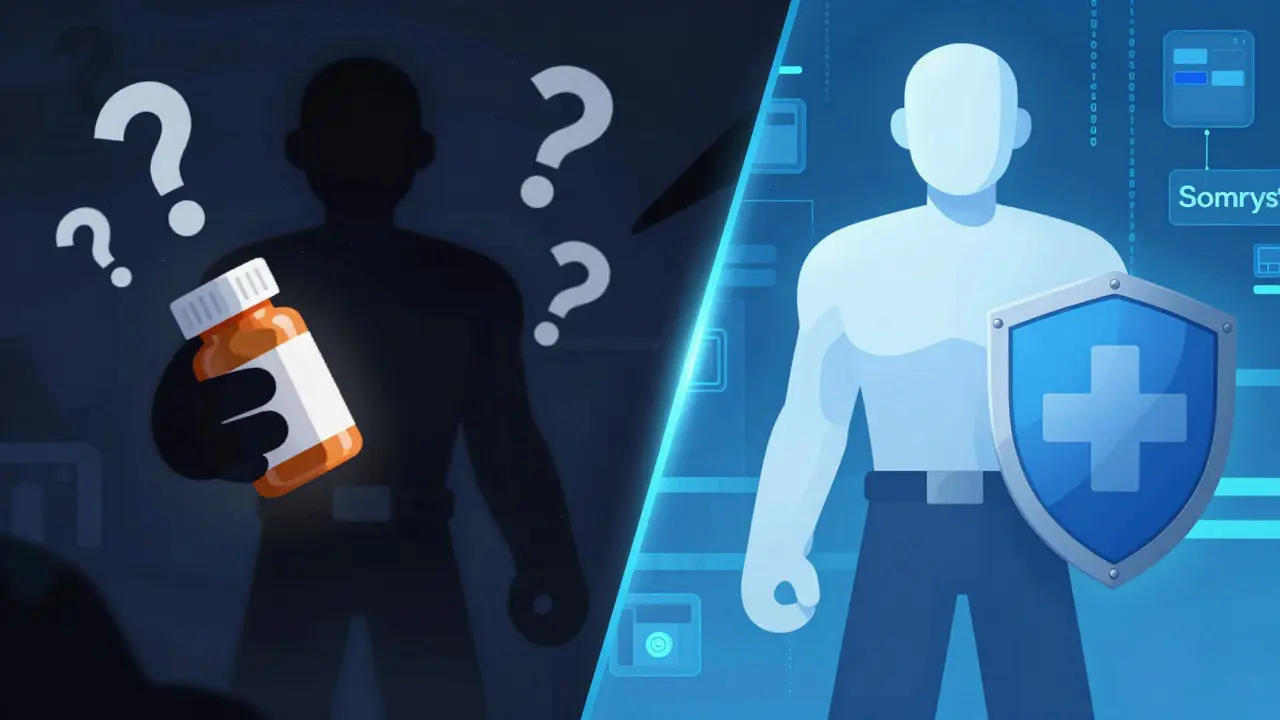
Technology has evolved beyond simple lists. Modern medication safety apps now incorporate artificial intelligence to predict and prevent errors. AI-powered monitoring systems can analyze your prescription data to flag incorrect dosages or hidden interactions. Some advanced systems even process genetic data to tailor medicine recommendations to your unique biology, a field known as personalized medicine.
Recent updates highlight this shift. The Pill Identifier & Med Scanner app released version 2.3 in July 2025, featuring camera-based pill identification and barcode scanning. This reduces manual data entry time by 60%, minimizing the chance of typos that could lead to wrong information. Similarly, mySeniorCareHub launched a simplified Drug Interaction Checker in February 2025, specifically designed for older adults and caregivers who may struggle with complex interfaces.
Industry analysts note that these AI-driven approaches can reduce medication errors by 30-50%. How? By catching mistakes humans miss. For example, an algorithm might notice that a new antibiotic interacts poorly with a blood thinner you’ve taken for years, alerting you before you swallow the first pill. However, remember that AI is only as good as the data it feeds on. Always double-check critical alerts with your pharmacist.
Reporting Side Effects: Your Role in Safety
One of the most powerful features of medication safety apps is their connection to the FDA’s MedWatch program. MedWatch is the Safety Information and Adverse Event Reporting Program, the backbone of post-market safety surveillance. When you experience a side effect, reporting it helps the FDA detect patterns that may have been missed during clinical trials.
Many modern apps allow you to log symptoms and export this data for reporting. While the process used to involve filling out paper forms, digital tools streamline this significantly. You can record details like dosage, time of day, and severity of the reaction. This data contributes to a larger pool of information that can lead to updated warning labels or even drug recalls.
Don’t underestimate your voice. If you feel dizzy after starting a new statin, or if a painkiller causes unexpected stomach issues, log it. Your individual experience, combined with thousands of others, creates the evidence needed to keep drugs safe for everyone. Apps that integrate with MedWatch effectively turn you into an active participant in public health, rather than a passive consumer.
Practical Tips for Getting Started
Setting up a medication safety app takes about 10 to 15 minutes, but the payoff is long-term peace of mind. Here is how to do it right:
- Gather Your Meds: Collect all prescription bottles, over-the-counter drugs, and supplements. Include vitamins and herbal remedies, as they can interact with prescription drugs.
- Use Scanning Features: If your app supports it (like Pill Identifier v2.3), scan barcodes or take photos of pills. This ensures accurate identification and saves typing time.
- Set Realistic Reminders: Don’t just set alarms for morning and night. Align them with your actual routine-after breakfast, before bed, etc. Medisafe’s data shows adherence drops on weekends, so consider setting extra reminders for those days.
- Check Interactions Immediately: Once entered, run the interaction checker. Review any red flags with your doctor or pharmacist before starting the regimen.
- Involve Caregivers: If you live with family or have a caregiver, grant them access to view your schedule. Medisafe allows unlimited caregiver reports in its premium tier, which is crucial for shared responsibility.
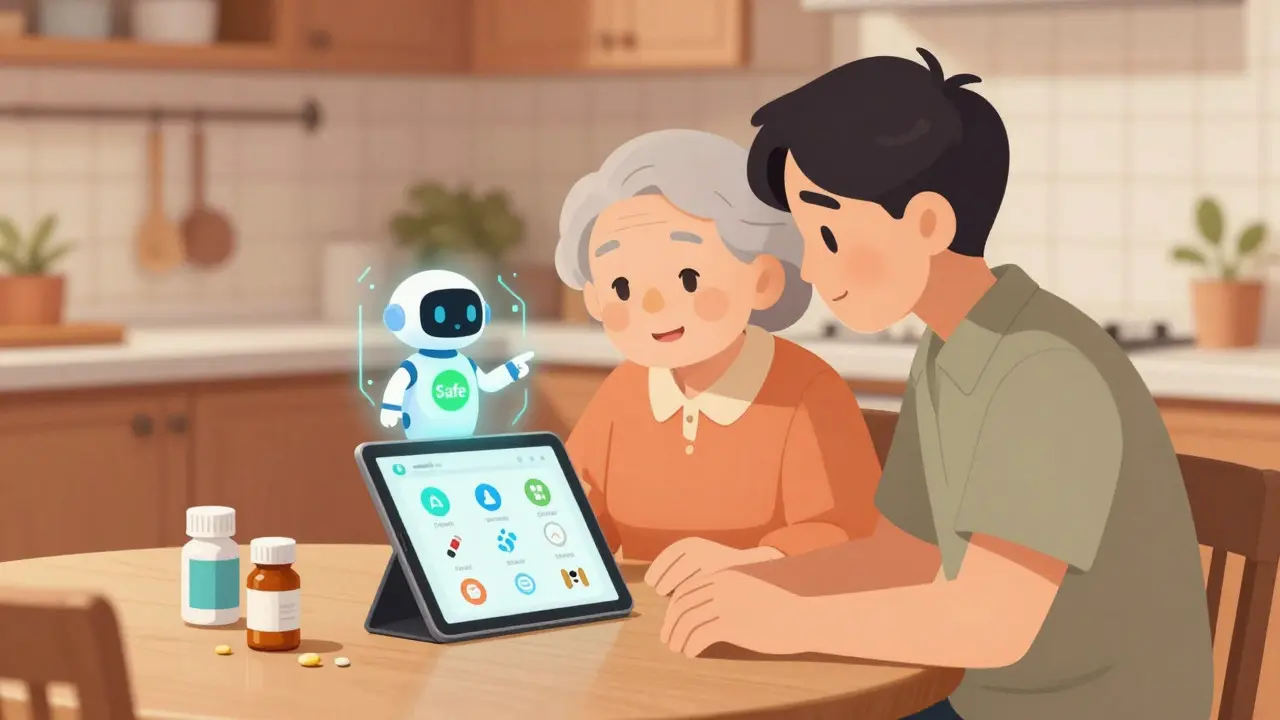
For seniors, the learning curve can be a barrier. Caregiver reports suggest that older adults may need 3 to 5 assistance sessions to feel comfortable. Start with one app, master the basics, and then explore advanced features. Simplified interfaces, like those found in mySeniorCareHub, can make this transition smoother.
Limitations and What to Watch Out For
No app is perfect. One common complaint is notification timing issues, especially for complex schedules involving multiple doses throughout the day. Another concern is outdated information. Drug databases change frequently as new studies emerge and FDA alerts are issued. Ensure your app updates automatically and regularly check for patches.
Also, beware of apps that make bold diagnostic claims without FDA approval. If an app tells you exactly what disease you have based on symptoms alone, proceed with caution. These tools are best used for management and information, not diagnosis. Always consult a healthcare provider for new or worsening symptoms. Remember, an app is a helper, not a healer.
Are FDA medication safety apps free?
Most leading apps like Medisafe and Drugs.com offer robust free versions with basic tracking and information. Premium tiers, typically ranging from $2.99 to $9.99 per month, unlock advanced features like unlimited caregiver reports, detailed statistics, and ad-free experiences. Professional tools like UpToDate require annual subscriptions costing several hundred dollars.
Do I need a prescription to use these apps?
Generally, no. Consumer-focused apps like Medisafe and Drugs.com are available to anyone. However, specialized digital therapeutics like Somryst, which are FDA-approved to treat specific conditions like insomnia, require a valid prescription from a healthcare provider.
How accurate is the drug interaction data?
Leading apps source their data from authoritative references and FDA databases, making them highly reliable for known interactions. Drugs.com, for instance, checks over 50 substances simultaneously. However, rare interactions or those involving new drugs may not yet be fully documented. Always verify critical concerns with a pharmacist.
Can these apps replace my doctor?
No. These apps are supportive tools for tracking and information. They do not provide medical diagnoses or personalized treatment plans unless they are specifically FDA-cleared digital therapeutics. Always consult your healthcare provider for medical advice and before making changes to your medication regimen.
What is the FDA's PDURS guideline?
The Prescription Drug Use-Related Software (PDURS) guidelines are upcoming regulations expected in 2025. They aim to tighten oversight of software that provides information related to prescription drugs, ensuring higher standards for accuracy and safety validation in apps that influence patient behavior.