
Medication Fall Risk Checker
Select the medications you or your loved one currently takes to estimate potential fall risk.
Assessment Results
Recommended Actions:
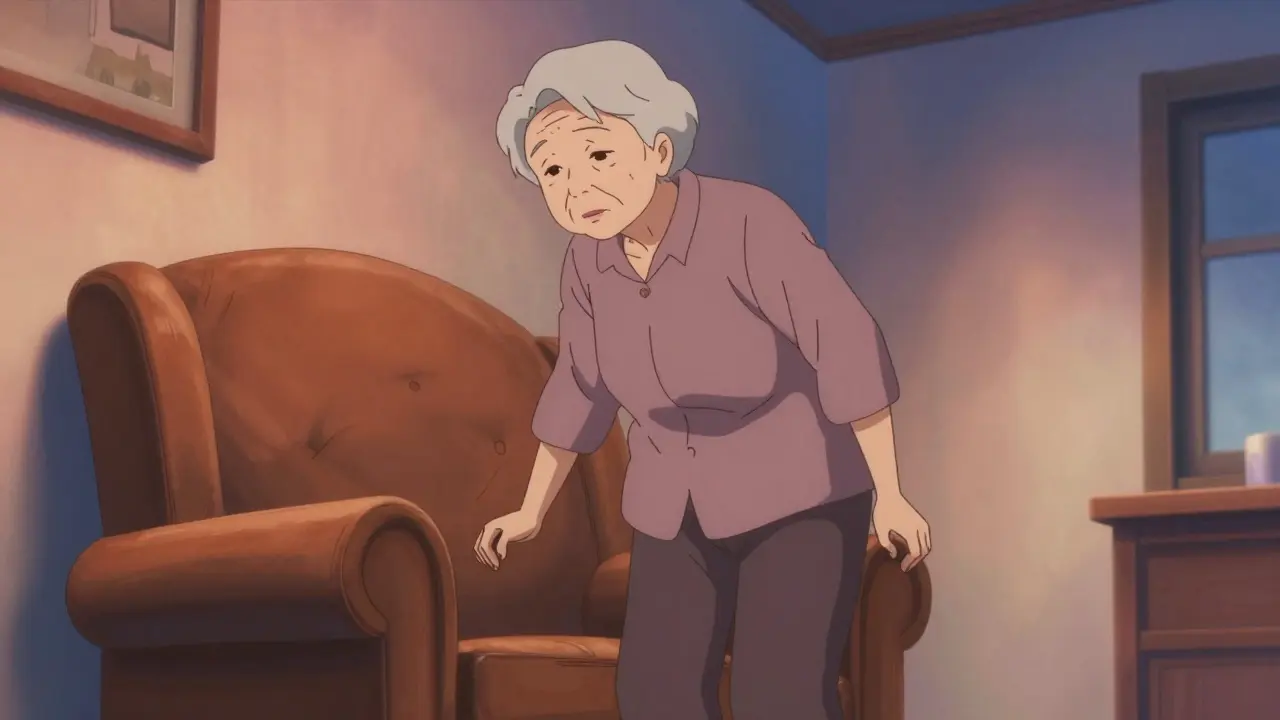
Imagine standing up from your favorite armchair to grab a glass of water. Your head spins, the room tilts slightly, and before you can steady yourself, your feet give way. For millions of adults over 65, this isn't just a scary thought-it's a daily reality driven not by weak muscles or bad luck, but by the very pills meant to keep them healthy. Falls are the leading cause of injury-related death for older Americans, claiming roughly 36,000 lives annually. But here is the unsettling truth: a massive chunk of these falls are preventable, and they often start with a prescription bottle.
We tend to think of fall risks as slippery floors or poor lighting. While those matter, the chemistry inside an older adult’s body plays a far bigger role. In fact, between 2017 and 2020, nearly all adults over 65 were taking prescription medications, with more than half using drugs classified as 'potentially inappropriate' for their age group. When we look at the data from the Mayo Clinic, we see that 30% to 40% of seniors fall every year. Even more alarming, systematic reviews show that 65% to 93% of older adults injured in falls were taking at least one drug known to increase fall risk at the time of the accident. This isn't about blaming patients; it's about understanding how our bodies change as we age and how certain medications interact dangerously with those changes.
The Silent Culprits: Understanding Fall-Risk-Increasing Drugs (FRIDs)
To tackle this problem, we first need to name the enemy. Geriatricians use the term Fall-Risk-Increasing Drugs FRIDs to describe medications that cause drowsiness, impair balance, or mess with coordination. These aren't obscure experimental treatments; they are common prescriptions found in medicine cabinets across the country. The American Geriatrics Society has identified nine primary classes of these drugs through extensive research, including work by Dr. Robert Leipzig and later updates by Dr. Woolcott.
Let's break down the most dangerous offenders. You might be surprised by which ones make the list.
- Benzodiazepines: Drugs like lorazepam (Ativan), diazepam (Valium), and alprazolam (Xanax) are prescribed for anxiety and sleep. They carry a staggering 50% increased fall risk according to the Beers Criteria. Longer-acting versions like Valium stay in your system longer, keeping you groggy well into the next day.
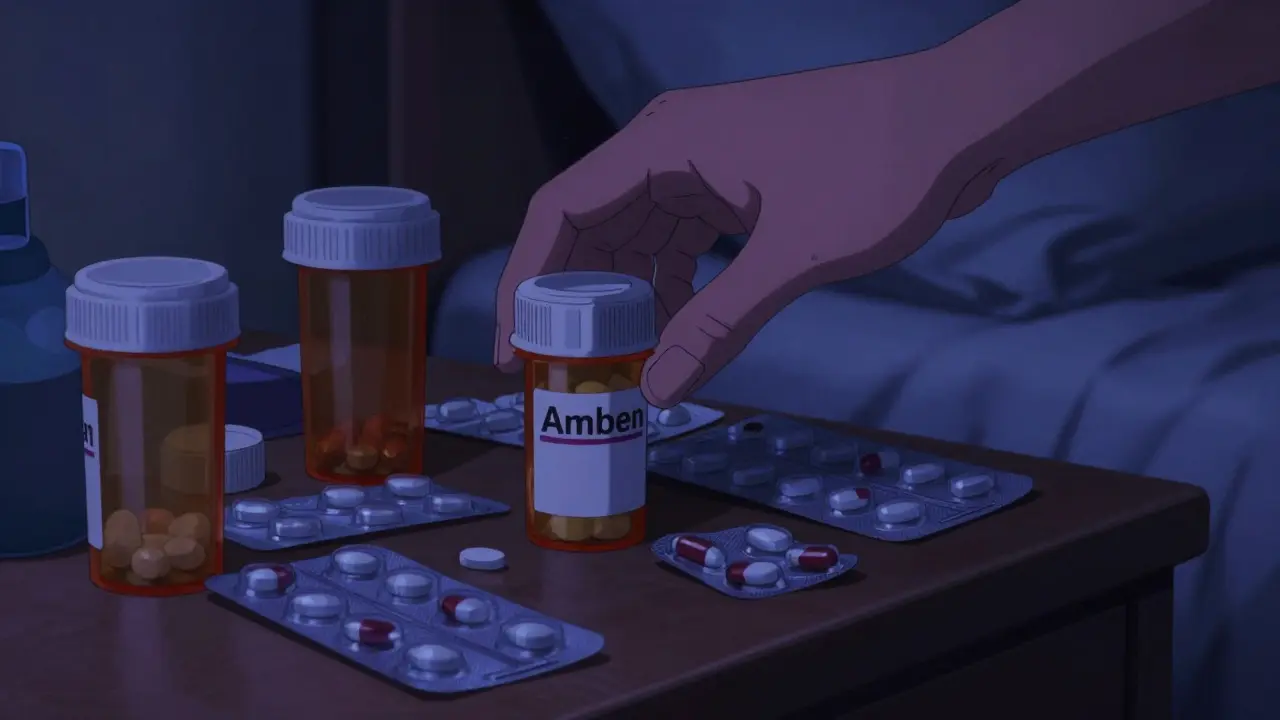
- Sedative-Hypnotics: Sleep aids such as zolpidem (Ambien) and eszopiclone (Lunesta) don't just make you sleepy; they can cause complex sleep behaviors where you walk around without being fully awake. This leads to confusion and impaired coordination.
- Antidepressants: Surprisingly, these showed the strongest association with falls in meta-analyses. Both tricyclic antidepressants (TCAs) and selective serotonin reuptake inhibitors (SSRIs) can affect blood pressure and balance.
- Opioids: Painkillers cause sedation and cognitive impairment. The risk is dose-dependent, meaning higher doses equal higher danger. High-potency opioids increase fall risk by up to 80% compared to low-potency options.
- Antipsychotics: Used for dementia or agitation, these increase fall risk by 40%. First-generation antipsychotics are particularly risky due to their impact on muscle control.
It’s not just about feeling tired. Some drugs, like anticholinergics used for urinary incontinence or COPD, cause blurred vision and confusion. Others, like certain blood pressure meds, trigger orthostatic hypotension-a sudden drop in blood pressure when you stand up. If your brain doesn't get enough blood flow instantly, you pass out. Simple as that.
Why Age Changes the Game: Polypharmacy and Physiology
Why do these drugs hit harder as we get older? It comes down to physiology. As we age, our kidneys and liver slow down. They clear drugs from the body less efficiently. A dose that was safe for a 40-year-old might linger for days in a 75-year-old. This accumulation leads to side effects that younger people rarely experience.
Then there is the issue of polypharmacy. This is the medical term for taking multiple medications simultaneously. About 43% of older adults take five or more prescriptions. When you mix a blood pressure medication with a diuretic and a sleeping pill, the effects compound. The diuretic lowers blood volume, the blood pressure med relaxes vessels, and the sleeping pill slows reaction time. Stand up too fast, and gravity wins.
Consider the case of 'CaregiverJane' from an online aging forum. Her 78-year-old mother fell three times in two months after starting Ambien. The third fall resulted in a hip fracture requiring surgery. This isn't an isolated incident. Patient surveys reveal that while 28% of older adults attribute their falls to medication side effects, only 15% actually discuss this with their doctor. There is a huge gap between what happens in the body and what gets reported in the clinic.
| Medication Class | Primary Mechanism of Fall Risk | Risk Increase Estimate | Common Examples |
|---|---|---|---|
| Benzodiazepines | Sedation, long half-life | +50% | Lorazepam, Diazepam |
| Sedative-Hypnotics | Complex sleep behaviors | High | Zolpidem (Ambien) |
| Antidepressants (SSRIs/TCAs) | Hyponatremia, dizziness | Strongest Association | Fluoxetine, Amitriptyline |
| Opioids | Cognitive impairment, sedation | +80% (high potency) | Oxycodone, Morphine |
| NSAIDs | Blood pressure fluctuations | +25% | Ibuprofen, Naproxen |
The STOP-SWITCH-REDUCE Strategy
If you or a loved one is on any of these medications, panic isn't the answer. Sudden withdrawal can be dangerous, especially with benzodiazepines and antidepressants. Instead, healthcare providers follow the CDC’s STEADI program guidelines, which boil down to three simple actions: Stop, Switch, and Reduce.
Stop means discontinuing medications that are no longer needed or have high risk profiles with low benefit. For example, if a senior is taking a mild painkiller for occasional arthritis pain, stopping it entirely might be safer than continuing it.
Switch involves moving to a safer alternative. If a patient needs help with insomnia, doctors now recommend Cognitive Behavioral Therapy for Insomnia (CBT-I) as the first-line treatment. CBT-I has shown 70-80% effectiveness, far outperforming sleeping pills without the fall risk. For anxiety, non-benzodiazepine options are increasingly preferred, though they may cost more-averaging $450 per month compared to $30 for generics.
Reduce means lowering the dose to the minimum effective amount. This is crucial for blood pressure medications. Many seniors are overtreated for hypertension, leading to fainting spells. Lowering the target blood pressure slightly can maintain health while reducing dizziness.

Practical Steps for Patients and Caregivers
You don't need a medical degree to manage this risk. Start with the "brown bag method." Once a year, put every single pill, supplement, and herbal remedy your senior takes into a brown paper bag. Bring this bag to the doctor's appointment. Don't rely on memory or the pharmacy label alone. Doctors need to see the full picture to spot interactions.
Ask specific questions during the review:
- "Which of these medications increases my risk of falling?"
- "Can we lower the dose of this blood pressure medication?"
- "Are there non-drug alternatives for my sleep or anxiety issues?"
- "Do I really need this opioid for chronic pain?"
Pharmacists are also underutilized resources. Studies show that pharmacist-led medication reviews can reduce fall risk by 22%. They are experts in drug interactions and can often spot problems that busy primary care physicians might miss in a 15-minute visit.
Be wary of over-the-counter drugs too. Allergy medications containing antihistamines like diphenhydramine (Benadryl) are highly anticholinergic. They cause confusion and dry mouth, both of which contribute to falls. Yet, 65% of older adults don't realize these common drugs pose a threat.
The Future of Safe Prescribing
The landscape is changing. Medicare Part D now includes fall risk screening in its quality metrics, meaning doctors face financial penalties if they prescribe inappropriate medications to seniors. This is forcing a cultural shift in prescribing habits. Additionally, new technology is helping. AI-powered medication review systems can now identify risky drug combinations with 89% accuracy, acting as a safety net for prescribers.
Research funded by the National Institute on Aging is focusing on "deprescribing" protocols-structured ways to safely stop medications. The goal is ambitious but achievable: preventing 24% of all falls among older adults by addressing medication risks. This could save $12 billion annually in healthcare costs, but more importantly, it preserves independence. Staying upright isn't just about avoiding bruises; it's about staying in your own home, living your life, and maintaining dignity.
Falls are not an inevitable part of aging. Often, they are a side effect of how we treat other conditions. By looking closely at the medicine cabinet, we can remove some of the biggest hazards standing between seniors and their stability.
What are the most common medications that cause falls in elderly?
The most common culprits include benzodiazepines (like Xanax and Valium), sedative-hypnotics (like Ambien), antidepressants (especially SSRIs and TCAs), opioids, and antipsychotics. Blood pressure medications and diuretics also contribute significantly by causing dizziness upon standing.
Can I stop taking my fall-risk medication suddenly?
No, never stop medications abruptly without consulting your doctor. Suddenly stopping benzodiazepines or antidepressants can cause severe withdrawal symptoms, seizures, or rebound anxiety, which can be more dangerous than the original fall risk. Tapering must be done slowly under medical supervision.
What is the Beers Criteria?
The Beers Criteria is a list of potentially inappropriate medications for older adults, published by the American Geriatrics Society. It helps doctors identify drugs that have higher risks than benefits for seniors, including those that increase fall risk. It is updated regularly to reflect new evidence.
How does orthostatic hypotension lead to falls?
Orthostatic hypotension is a sudden drop in blood pressure when you stand up from sitting or lying down. This reduces blood flow to the brain, causing lightheadedness or fainting. Many blood pressure medications and diuretics exacerbate this condition, making it a major contributor to falls in seniors.
Are over-the-counter allergy meds safe for seniors?
Many first-generation antihistamines like diphenhydramine (Benadryl) are not safe for regular use in seniors. They have strong anticholinergic effects that can cause confusion, blurred vision, and sedation, all of which increase fall risk. Non-drowsy alternatives are generally safer.