
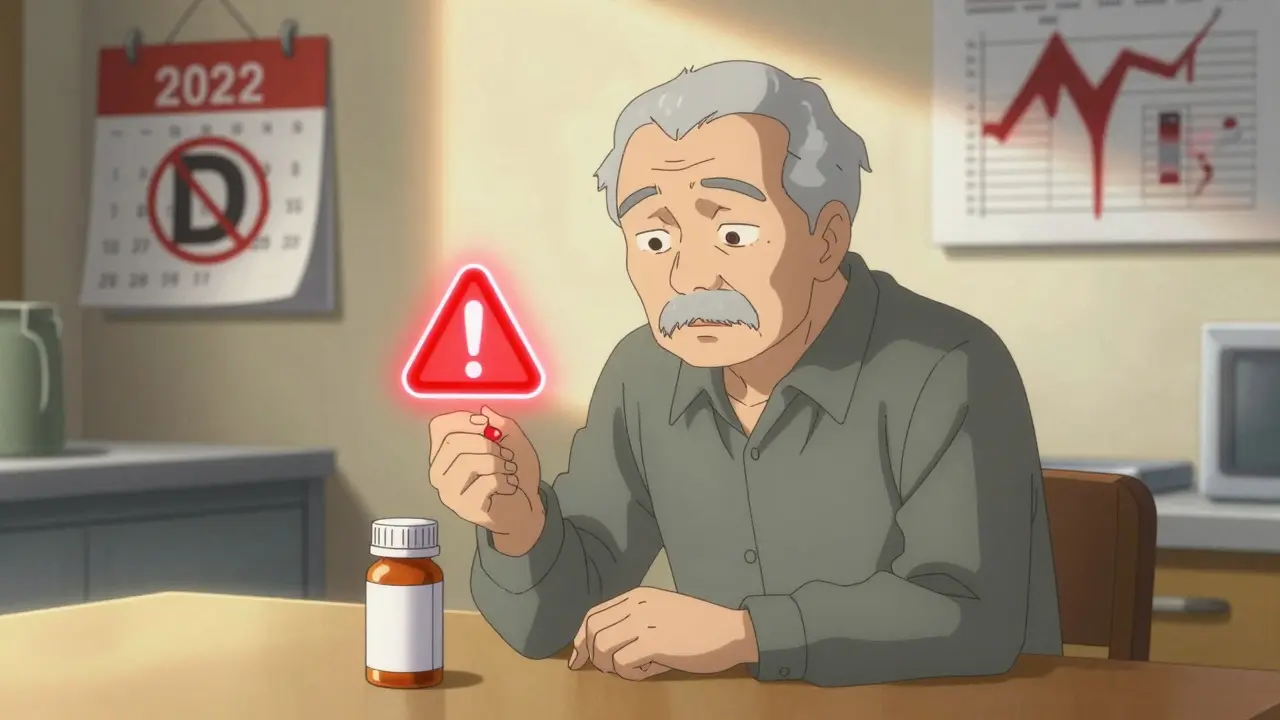
For years, taking a daily low-dose aspirin was a simple, cheap way to protect your heart. Doctors recommended it to millions of people-even those with no history of heart disease-because it seemed like a harmless habit with big benefits. But that advice has flipped. Today, aspirin is no longer a one-size-fits-all heart shield. In fact, for many people, taking it every day does more harm than good.
The shift didn’t happen overnight. It came from years of hard data. Studies like the ASPREE trial, which tracked over 19,000 adults over 70, showed that while aspirin slightly lowered the chance of a first heart attack, it also increased the risk of serious bleeding. For people over 60, the math just doesn’t add up. You might prevent one heart attack per 1,000 people over 10 years-but you’ll cause 1.6 major bleeding events in that same group. That’s not a trade-off worth making for most.
Who Definitely Should Not Take Daily Aspirin
If you’re 60 or older and have never had a heart attack, stroke, or stent, you should skip daily aspirin. The U.S. Preventive Services Task Force (USPSTF) gave this a Grade D recommendation in 2022-meaning the harms clearly outweigh the benefits. This isn’t just a suggestion. It’s backed by data from over 11 major clinical trials involving more than 100,000 people.
Why? Because bleeding risk climbs with age. Your stomach lining thins. Blood vessels become more fragile. And if you’re on other medications-like blood thinners, NSAIDs (ibuprofen, naproxen), or even certain arthritis drugs-the risk multiplies. According to Medicare data, nearly one in five adults over 65 are already on something that raises bleeding risk. Adding aspirin on top? That’s stacking danger on danger.
Even if you feel fine, you might still be at risk. A 2023 Mayo Clinic survey found that 41% of adults over 60 kept taking aspirin after guidelines changed-not because their doctor told them to, but because they were afraid to stop. Fear of heart disease is powerful. But fear shouldn’t override science.
What About People in Their 40s and 50s?
This group is where things get complicated. If you’re between 40 and 59 and have a 10% or higher risk of a cardiovascular event in the next 10 years, aspirin might still be considered-but only after a detailed discussion with your doctor.
How do you know your risk? The Pooled Cohort Equations are the standard tool used by cardiologists. They factor in your age, sex, race, blood pressure, cholesterol, diabetes status, and smoking history. If your score is below 10%, aspirin isn’t recommended. If it’s above 10%, you’re in the gray zone.
But even then, bleeding risk matters more than you think. Have you ever had a stomach ulcer? Are you on steroids? Do you drink alcohol regularly? Have you had a recent nosebleed or bruise that won’t go away? These aren’t just side notes-they’re red flags. One study found that people with a history of gastrointestinal ulcers had a 43% higher chance of major bleeding on aspirin. That’s not a small risk. That’s a dealbreaker.
And here’s the twist: a calcium score above 100 can change the game. If your coronary artery calcium (CAC) scan shows heavy plaque buildup, your risk of heart disease is much higher than your cholesterol numbers suggest. In that case, some cardiologists still recommend aspirin-even if you’re over 60. But this isn’t routine. It’s individual. And it requires a clear conversation.
The Bleeding Risk Is Real-And Underestimated
Most people think of aspirin as harmless. It’s in the medicine cabinet. It’s cheap. It’s been around forever. But it’s not a vitamin. It’s a drug with real, dangerous side effects.
Major gastrointestinal bleeding-where you vomit blood or pass black, tarry stools-isn’t rare. It happens in about 1 in 1,000 people per year on daily aspirin. That might sound low, but multiply that by millions of people taking it unnecessarily, and you’re talking about thousands of ER visits, hospitalizations, and even deaths every year.
Intracranial bleeding-bleeding in the brain-is even scarier. Aspirin increases this risk by 38%. And unlike a stomach bleed, which can sometimes be treated, brain bleeding often leads to permanent disability or death.
And here’s something most patients don’t realize: once you start aspirin for prevention, it’s hard to stop. Many doctors don’t bring it up again after the first prescription. Patients assume it’s still okay. A 2023 JAMA Internal Medicine study found that 57% of patients reported getting conflicting advice from different doctors. One says stop. Another says keep going. That confusion is dangerous.

Who Might Still Benefit?
There are exceptions. But they’re rare-and they require proof.
- If you have diabetes and a 10-year ASCVD risk over 15%, aspirin might be considered (per the 2025 AHA/ACC guidelines).
- If your CAC score is above 300, especially if you’re under 70, some experts still recommend it.
- If you have elevated lipoprotein(a) (Lp[a]) over 50 mg/dL and other risk factors, a 2024 meta-analysis found aspirin reduced heart events by 19% in this group.
But here’s the catch: you need to have these tests done. You can’t guess. You can’t assume. You need a calcium scan, a blood test for Lp(a), and a full risk assessment. Most primary care offices don’t do this routinely. That’s why so many people are either taking aspirin when they shouldn’t-or stopping it when they might still need it.
What Should You Do?
Don’t make this decision alone. Don’t rely on what your neighbor does. Don’t follow a 10-year-old recommendation from your last checkup.
Ask your doctor:
- What’s my 10-year cardiovascular risk using the Pooled Cohort Equations?
- Have I ever had a stomach ulcer, bleeding, or a history of anemia?
- Am I on any other medications that increase bleeding risk?
- Have I had a coronary calcium scan? What was the score?
- Is there any reason to believe I’m in the small group that might still benefit?
If you’re over 60 and have no history of heart disease, the answer should be: stop. If you’re under 60 and have no risk factors, the answer is: never start.
If you’re in the gray zone-40-59, moderate risk, no bleeding history-talk about it. Not once. But repeatedly. Ask for the data. Ask for the numbers. Ask what the evidence says for someone just like you.
What If You’ve Been Taking Aspirin for Years?
Don’t quit cold turkey. Talk to your doctor first. Stopping suddenly can cause a rebound effect-your blood may clot more easily for a short time. But if you’re over 60 and have no heart disease, the long-term risk of continuing is greater than the short-term risk of stopping.
Many people who stopped after the 2022 guidelines report feeling better. One Reddit user, u/HealthyHeart62, wrote: “At 62, my doctor took me off aspirin after the USPSTF update. I’ve had zero issues since.” That’s not anecdotal. That’s the trend.
And if you’re still unsure? Use the free tools available. The American Heart Association’s “Know Your Risk” calculator is easy to use. The USPSTF has a patient decision aid in 12 languages. You don’t need a specialist. You just need to ask.
The Bigger Picture
Aspirin for primary prevention used to be one of the most common medical recommendations in history. Now, it’s one of the most reversed. From 23.4% of U.S. adults aged 40-79 taking it daily in 2017-2018, that number dropped to 14.1% by 2021-2022. That’s over 11 million people who stopped-or never started.
That’s not a failure. It’s progress. Medicine is learning. Guidelines are changing because we’re finally listening to the data-not the habit.
Heart health isn’t about taking pills. It’s about knowing your numbers, managing your risks, and making choices based on who you are-not what you read online.
If you’re not sure, don’t guess. Ask. Check. Reassess. Because when it comes to aspirin, less really can be more.
Should I stop taking aspirin if I’ve been on it for years?
If you’re over 60 and have never had a heart attack, stroke, or stent, yes-talk to your doctor about stopping. The risks of bleeding now outweigh the benefits for most people in this group. Don’t quit cold turkey; ask your doctor for a safe plan. If you’re under 60 with high heart disease risk and no bleeding history, you may still benefit. But always confirm with your provider.
Is aspirin still okay for people with diabetes?
For adults with diabetes aged 40-70 who have a 10-year ASCVD risk of 15% or higher and no increased bleeding risk, aspirin may be considered. But it’s not automatic. A 2024 study found it only helped those with elevated Lp(a) levels. If you have diabetes but normal Lp(a) and low calcium score, aspirin likely won’t help-and could hurt.
Can I take aspirin if I’m on blood pressure medication?
It depends. Most blood pressure meds (like ACE inhibitors or beta-blockers) don’t increase bleeding risk. But if you’re also taking NSAIDs (ibuprofen, naproxen), steroids, or anticoagulants, aspirin adds dangerous overlap. Always review all your medications with your doctor before starting or continuing aspirin.
What’s the difference between primary and secondary prevention?
Primary prevention means taking aspirin to prevent a first heart attack or stroke in someone with no history of heart disease. Secondary prevention means taking it after you’ve already had one-like a heart attack, stent, or bypass. For secondary prevention, aspirin is still strongly recommended. The guidelines only changed for primary use.
Do I need a calcium scan to decide about aspirin?
Not everyone needs one, but if you’re in the gray zone (40-59, moderate risk), a coronary calcium scan can be the deciding factor. A score above 100 means you have plaque buildup, even if your cholesterol looks okay. A score above 300 strongly suggests you might benefit from aspirin-even if you’re over 60. Talk to your doctor about whether it’s right for you.
15 Responses
Aspirin for primary prevention? I used to take it like candy until my doc showed me the data. Turns out, I was just gambling with my stomach lining. Now I’m off it, and honestly? My energy’s better. No more weird bruising. No more GI flares. Science > habit.
People today think they’re too smart for medicine. You want to live longer? Then follow guidelines. Not Reddit. Not your cousin who ‘read an article.’ Aspirin isn’t a vitamin. It’s a drug. And if you’re over 60 without a history of CVD, you’re just increasing your bleeding risk for zero gain. Stop being so stubborn.
Oh look, another ‘I’m just gonna keep taking aspirin because it’s cheap’ person. Sweetheart, if you’re 62 and never had a heart attack, you’re not ‘being cautious.’ You’re being reckless. Your doc didn’t ‘forget’ to tell you to stop. They told you. You just didn’t listen. Again.
Consider the epistemological framework of pharmaceutical recommendations. The shift away from aspirin for primary prevention isn’t merely clinical-it’s a systemic recalibration of medical paternalism. We once believed in blanket interventions because they were convenient. Now we are forced to confront the ontological weight of statistical harm. The 1.6:1 bleeding-to-heart-attack ratio isn’t a number-it’s a moral indictment of decades of medical inertia.
And yet, the individual remains a locus of agency. If your Lp(a) is 58, your CAC is 310, and your BMI is 24, then yes, the risk-benefit calculus shifts. But this requires epistemic humility. Most patients don’t have access to lipidomics or calcium scoring. So we’ve replaced one dogma with another: the dogma of uncertainty.
Can someone explain the Pooled Cohort Equations in plain English? I got my numbers back and I’m like… is 12% high? What’s the cutoff again? I’ve got hypertension and my LDL’s borderline, but no diabetes. Do I even need a CAC scan? My doc just shrugged and said ‘maybe.’
Aspirin? Nah mate, I’ve been on it since 2010. 81mg like clockwork. I’ve got a cholesterol profile that’d make a cardiologist cry, but I’m still standing. And guess what? I’ve had zero bleeds. Zero. So yeah, I’m gonna keep doing my thing. You can’t generalize from a trial when your own body’s your best lab. 🤷♂️
yo i stopped aspirin last year after reading this and honestly? my digestion got way better. no more weird heartburn. also my wife said i stopped being so moody. idk if that’s real or not but i feel lighter. also i started walking 30 mins a day and that’s doing more than any pill ever did.
I’m 54, borderline risk, no ulcers, no meds that clash. My doc said ‘maybe’-so I got a CAC scan. Score was 87. He said ‘keep an eye on it, don’t start aspirin yet.’ I’m glad I asked. So many people just keep taking it because it’s easy. But if you’re in the gray zone, don’t guess. Get the scan. It’s cheap. It’s non-invasive. It’s the only way to know.
Wow. Another ‘trust the guidelines’ post. When did we stop thinking for ourselves? I’ve been on aspirin since I was 45. I’ve got two kids in college. I work 60 hours a week. I don’t have time for scans and blood tests. If it ain’t broke, don’t fix it. The system just wants to sell you more tests.
Western medicine is built on placebo and profit. Aspirin was pushed because it was cheap and patentable. Now they want you to stop because the data says so. But why didn’t they say this 20 years ago? Because they didn’t care. You’re not a patient-you’re a revenue stream. The truth? They’ll sell you a new pill next week. Don’t fall for it.
Just wanted to say thank you for writing this. My mom’s 68 and had been on aspirin since 2012. We sat down, looked at the USPSTF guidelines, got her bleeding risk checked-turns out she was on ibuprofen for arthritis too. Doc said stop. She’s been off for 4 months. No issues. She says she feels ‘clearer.’ That’s the win.
Aspirin is not bad its just that people dont know how to use it properly. In India we have been using it for fever and pain for decades. Why now in US they are saying stop? Is it because of big pharma? I think this is cultural bias. People here are too scared of everything. In my village we take aspirin and live till 90. No scans. No blood tests. Just common sense.
wait so if i have a calcium score of 150 and i’m 57, i should still consider aspirin? even if i’m not diabetic? my doc didn’t mention that. i thought only if you’re over 60 you stop. this is wild. i’m gonna get my lpa tested tomorrow. thanks for the heads up.
i read this article and i was like oh wow. i’m 52, took aspirin since 2015. never had a problem. but now i’m thinking maybe i should get the calcium scan. my dad had a heart attack at 60. so maybe i’m in the gray zone. thanks for the clarity. this is the kind of info we need.
I’m 63 and I’ve been on aspirin for 12 years. I’m not stopping. I’ve had 3 heart attacks. My doctor told me to keep taking it. You don’t know my history. Don’t lecture me.